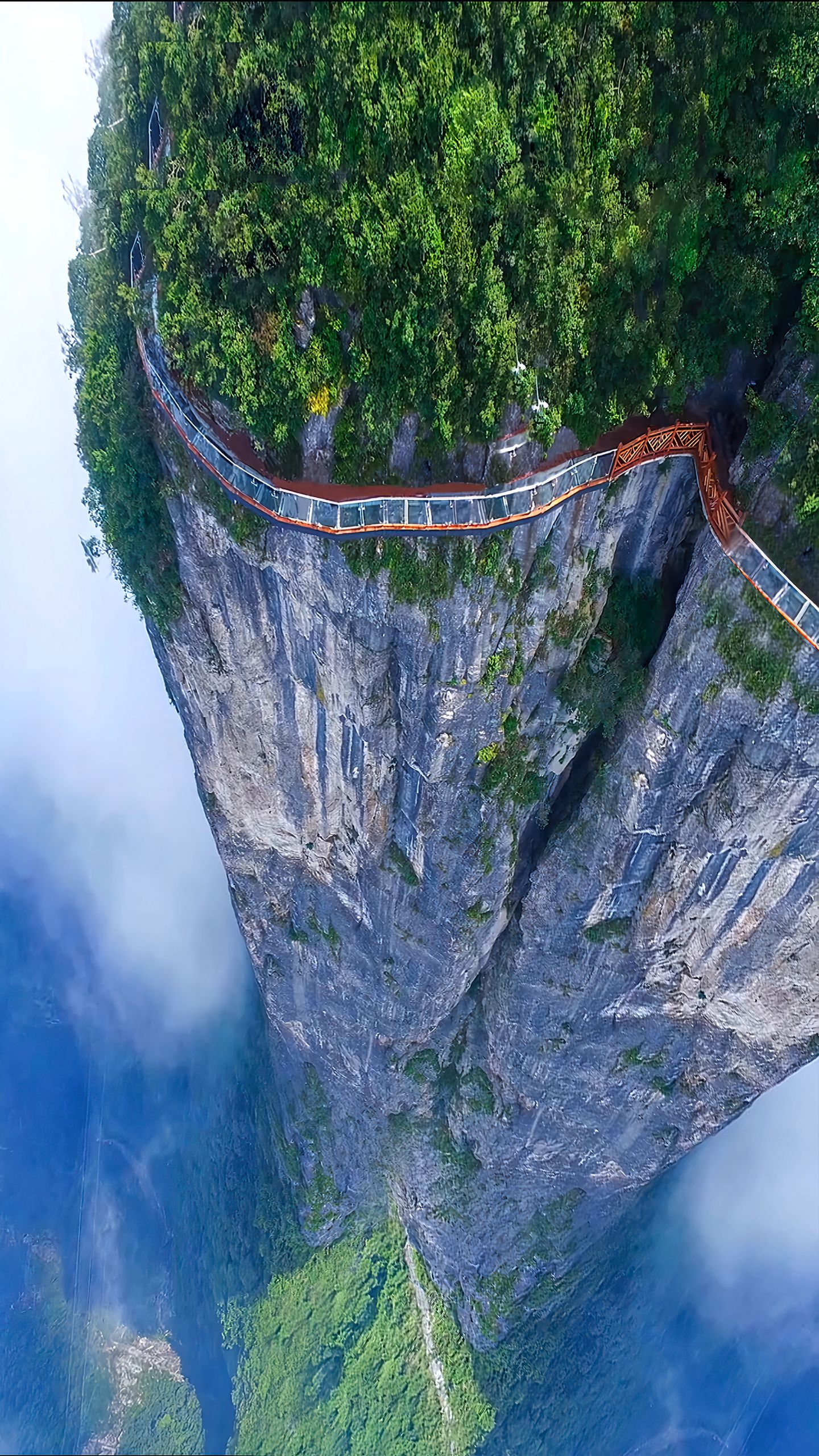
The glass bridge runs limited timed bookings and is usually sold out on holidays — check first before buying a combo ticket for a vertigo-prone companion.
Who should think twice
Not everyone should step onto glass. Be careful or skip it if you have:
- Medical conditions: high blood pressure, heart disease, epilepsy, severe anaemia, or pregnancy.
- Real vertigo: if your legs lock up and your heart races, do not push through — the drop views are fully open.
- Under-fives: too young to judge risk, and height/age rules apply anyway.
- A bad day: a cold, hangover or no sleep all magnify fear.
Shoe covers, belongings and photos
Both attractions require anti-slip shoe covers (included or sold at the bridge; about ¥5 on the walkway), handed out at the gate and collected on exit. Also:
- No glass cups, sharp objects or selfie sticks.
- Use a lanyard for phones and cameras, and never bend for a dropped item on slick glass.
- No running, jumping or leaning on the bridge railings — take photos while moving.
When it closes
High wind (usually force 6+), thunderstorms, heavy rain and ice trigger closures, with deck wind speed as the main measure. Notices typically post 1—2 hours ahead through official channels.
Weather closures normally mean a full refund or free reschedule — keep your order and contact the original seller. It pays to leave a spare day in the itinerary for the bridge.
Alternatives with no glass
- Grand Canyon cliff walkway: parts sit on solid rock with equally big views.
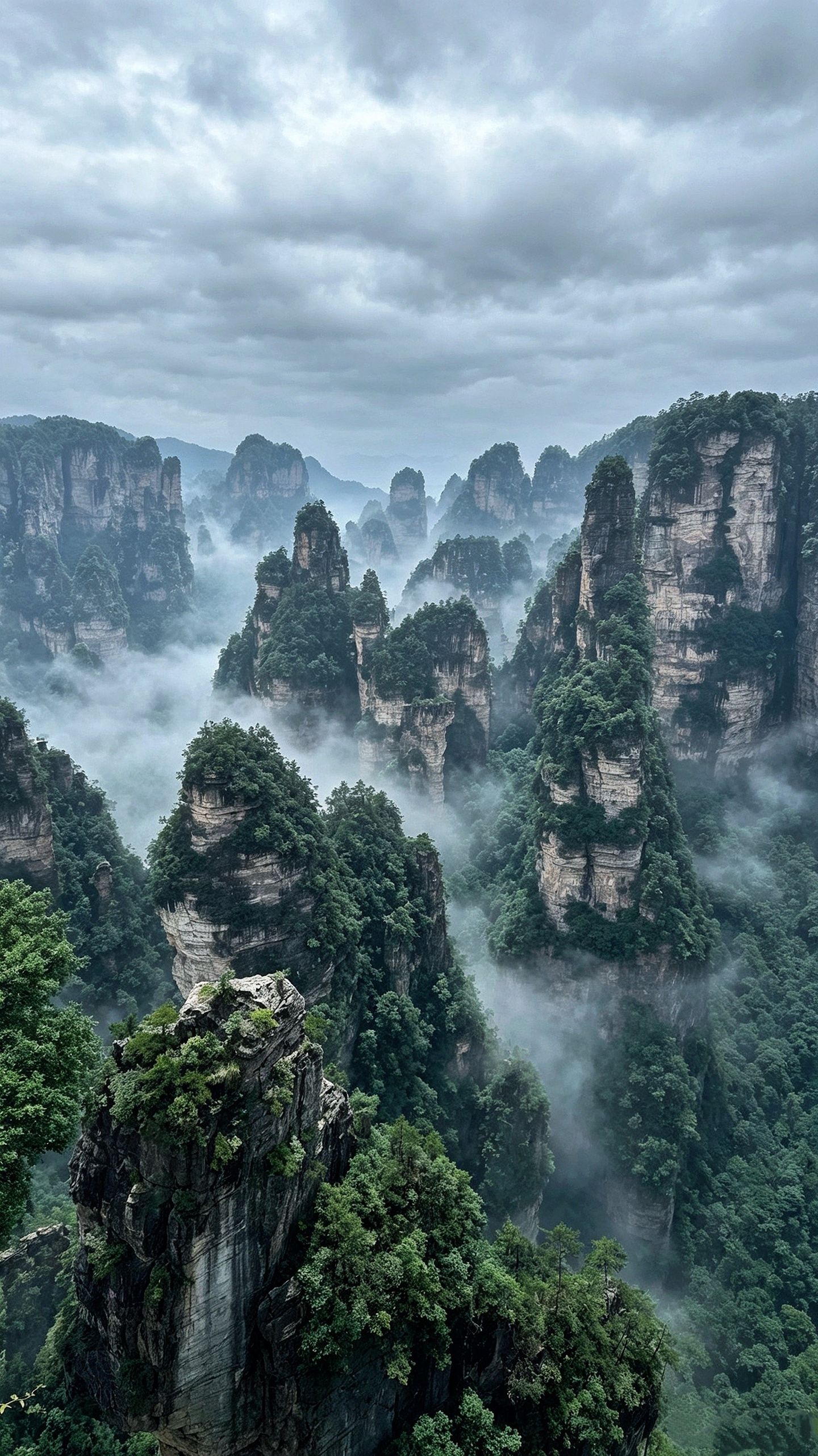
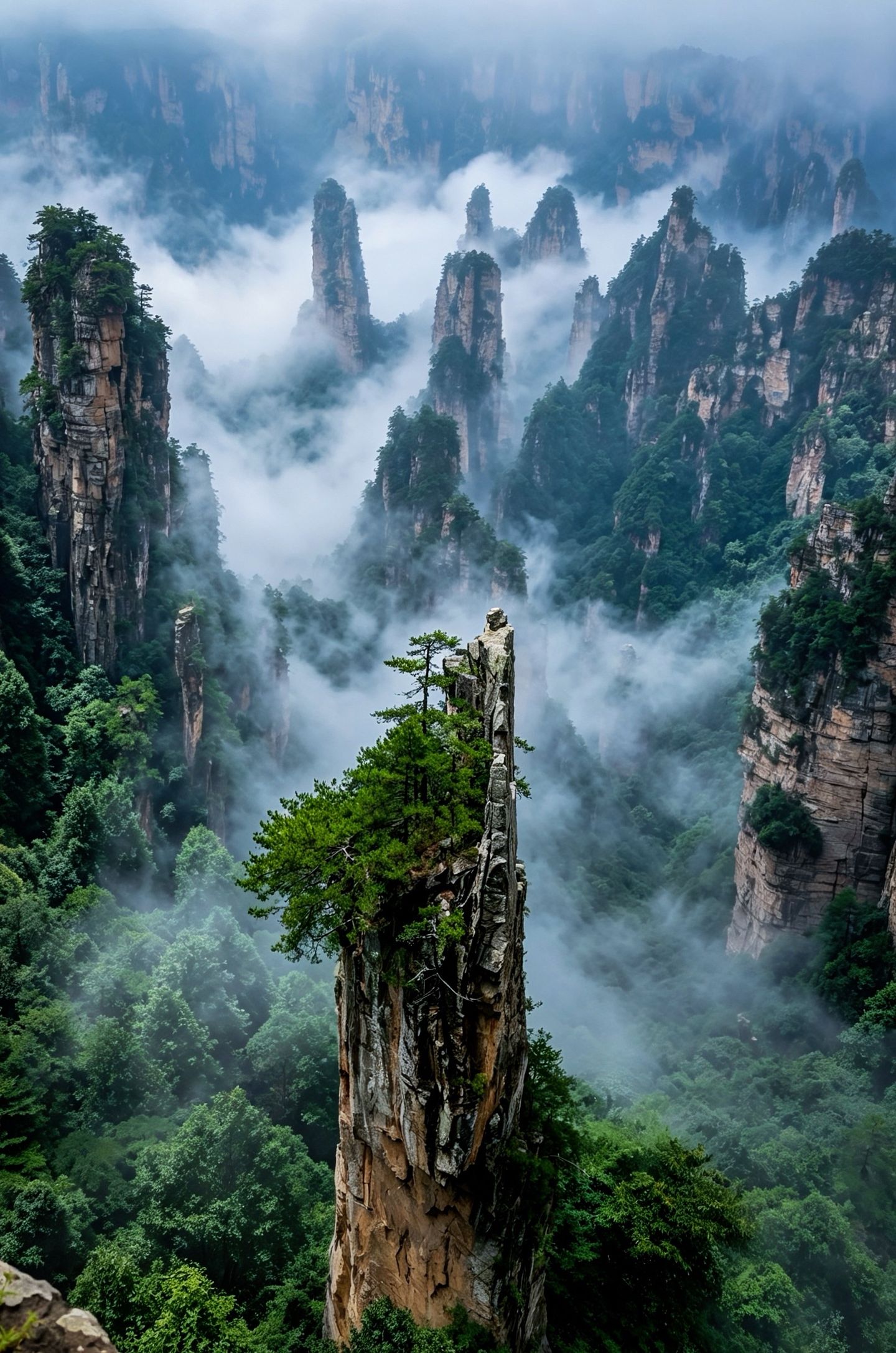
- Yuanjiajie platforms: the Avatar ridgeline, safely underfoot.
- Tianmen Cave's 999 steps: take the escalator and still get the summit feeling.
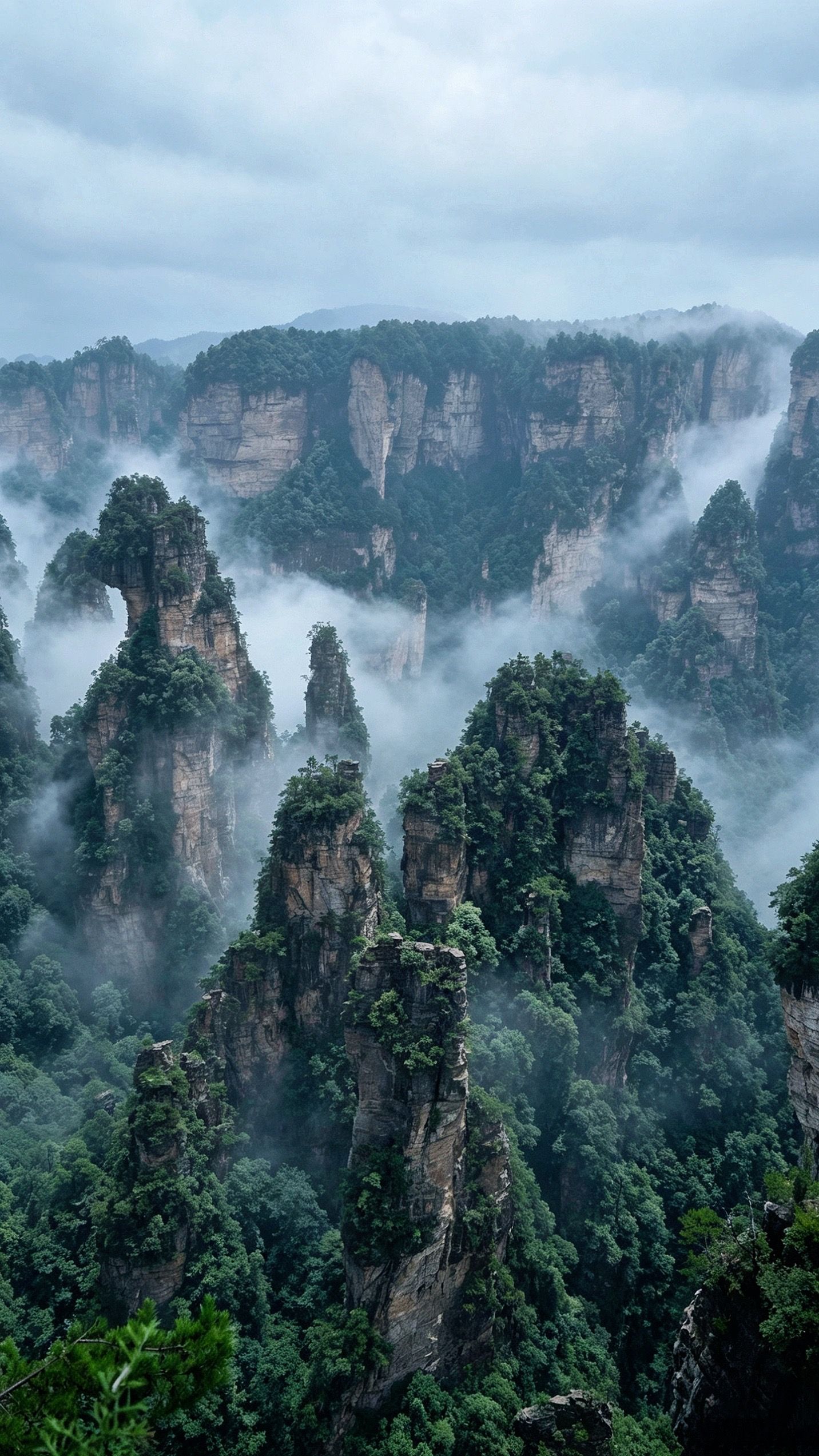
- Shilichanghua mini-train: peak-forest views from a seat, zero height.